Restaurant interior design trends in Nepal (2083 guide)
Restaurant interior design trends in Nepal : creating memories and love for customers
Resturants are growing in Nepal , prmium fine restaurants and boutique café, lounges, rooftop café , customers expect ambients more than food, the want memorable experience, Interior design has become one the easiest and factor that is influencing where people choose to eat ,. How long they stay and when will they return
At Remodelers Nepal, we believe a successful restaurant is more than food, it's a combination of beautiful design, smart planning, and effective construction. Whether you are opening your first restaurant or renovating an existing one, first you must understand the trends that make a place stand out.
Why Interior Design Matters in a Restaurant
Restaurant interior design plays an important role in how customers experience your brand. A thoughtfully designed space can: · Create a strong and lasting first impression · Establish a welcoming ambience · Improve customer comfort · Encourage guests to stay longer and enjoy their meals · Strengthen your restaurant’s brand identity · Improve staff movement and workflow · Make the space more attractive for photographs and social media · Encourage customers to visit repeatedly Good food may attract customers once, but a practical, comfortable, and visually appealing environment helps bring them back.
1. Minimalist Restaurant Design
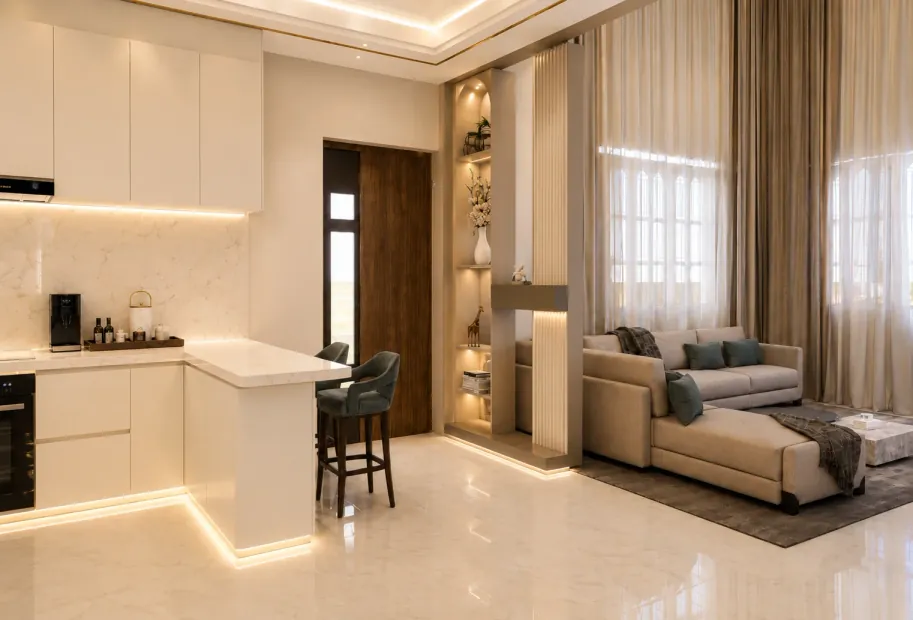
Minimalist restaurant design focuses on clean lines, neutral colours, natural lighting, comfortable furniture, and clutter-free spaces. It creates a calm, organised atmosphere while keeping the food and service as the main focus. Popular colours used in minimalist interiors include: · Warm white · Beige · Charcoal grey · Soft brown · Natural wood tones
2. Nature-Inspired Interiors
Nature-inspired restaurant interiors create a calm, fresh, and relaxing dining environment. This approach brings natural elements indoors and can help customers feel more comfortable. Common nature-inspired features include: · Indoor plants · Vertical green walls · Wooden finishes · Natural stone · Large windows · Skylights · Earth-tone colour palettes · Natural fabrics and textures · Plants and natural materials can soften the interior and provide attractive visual features.
3. Warm Ambient Lighting Lighting strongly influences a restaurant’s atmosphere. It can affect how customers perceive the space, the food, and the overall dining experience. Popular restaurant lighting options include: · Pendant lights · Cove lighting · Wall lights · Decorative ceiling lights · Spotlights for artwork · Table lighting · Natural daylight Warm lighting generally creates a comfortable, inviting atmosphere while helping food look more appealing.
4. Open-Kitchen Concepts Open kitchens have become a popular feature in modern restaurant interiors. They allow customers to see part of the food preparation process and can make the dining experience more engaging. An open-kitchen design may help communicate: · Transparency · Customer trust · Cleanliness · Professional discipline · Brand authenticity · An interactive dining experience
5. Flexible Seating Layouts
Restaurants often serve different types of customers, including individuals, couples, families, groups, and business guests. A flexible seating layout allows the space to accommodate these different needs. A successful restaurant layout may include: · Booth seating · Couple seating · Family tables · Bar seating · Outdoor seating · Community tables · Movable tables and chairs · Accessible seating options
Flexible furniture arrangement maximises seating capacity without compromising comfort.
6. Sustainable Restaurant Design
Sustainable interior design is becoming increasingly important as customers and business owners become more environmentally conscious. Sustainable restaurant features may include:
· Energy–efficient lighting
· Water-saving fixtures
· Recycled materials
· Bamboo furniture
· Efficient ventilation
systems
Sustainable design costs more but appeals to environmentally conscious
customers.
7. Local Nepali Identity with Modern Design
Many restaurants successfully combine modern architecture with Nepali
cultural elements.
Popular design features include:
· Exposed brick walls
· Traditional wood carvings
· Handmade décor
· Natural stone cladding
· Local artwork
· Dhaka patterns
· Earth-tone colour palettes
8. Luxury Dining Experiences
Premium restaurants create elegance through carefully selected finishes.
Luxury interiors often feature:
· Marble surfaces
· Brass detailing
· Rich
textures
· Bespoke furniture
· Statement lighting
Luxury design helps justify premium pricing while enhancing customer experience.
9. Choosing the Right Materials
Restaurants require durable materials that can withstand heavy daily use, frequent cleaning, moisture, spills, heat, and constant movement. Recommended materials include: · Porcelain or ceramic tiles for high-traffic spaces · Engineered stone or granite for counters · Treated wood for furniture and decorative features · Washable paint for walls · Moisture-resistant boards for suitable interior applications · Stainless steel for kitchen and food-service areas · Commercial-grade upholstery · Tempered glass for partitions · Acoustic panels for noise control
Common Restaurants Interior design Mistakes
Avoid these common mistakes:
· Poor lighting
· Overcrowded seated
· Weak ventilation
· Ignoring storage
· Poor planning
· Lack of accessibility
Thoughtful planning during the design stage prevents
expensive modifications later.
Why choose Remodelers Nepal?
At Remodelers Nepal, we create restaurant interiors that combine style, comfort, functionality, and brand identity. We plan every project around the restaurant’s concept, available space, operational needs, and budget. Our restaurant interior design services can include: · Concept development · Space planning · Furniture layout · Colour and material selection · Lighting design · Kitchen and dining-area coordination · Custom furniture and decorative features · Sustainable design recommendations · Renovation planning · Interior finishing and project coordination We create restaurant spaces that are visually appealing, practical for staff, comfortable for customers, and built for long-term daily use.
If you are planning to open or renovate a restaurant, Remodelers Nepal can help transform your concept into a practical, comfortable, and memorable dining environment.